



Celebrating International Women’s Day through eight sector icons
We highlight women who have made history through their work in sport and physical activity in the UK
As International Women’s Day was celebrated once again on 8 March, we wanted to reflect on how fundamental women are and always have been to our workforce.
There are now almost as many women working and creating an impact in the sport and physical activity sector in the UK as men. Throughout history men have dominated many professions, with their achievements widely known and celebrated.
Women, though, have always worked hard to deliver incredibly important changes to sport and physical activity. From Victorians to modern sector experts, we want to raise awareness of the game-changing women who have shaped the sector over the years. The pioneering roles they have played and the continued operational excellence they deliver is essential to the sector.
How we continue to support the nation with active wellbeing, professional sport and ensuring that everyone has equal access to movement relies on remarkable women working in sport and physical activity.
Marian Mason
Marian Mason was the first high-profile female fitness coach in the UK. Coming from a privileged background, Marian used her social connections to make a name for herself and eventually supported many people to get active while the sector was still being shaped. Trained by an armed forces physical training instructor, she taught callisthenic exercise classes in the 1820s, long before it was widely acceptable for women to work in sport and physical activity.
In the 18th and early 19th Century, the idea that exercise could be used as preventative healthcare or as treatment was a new concept. With Mason gaining the endorsement of famous physicians for her work, her callisthenic exercises gained popularity as a valuable and respectable form of movement for women.
Building on her initial success, Marian was the first woman to produce a book on gymnastics in Britain.
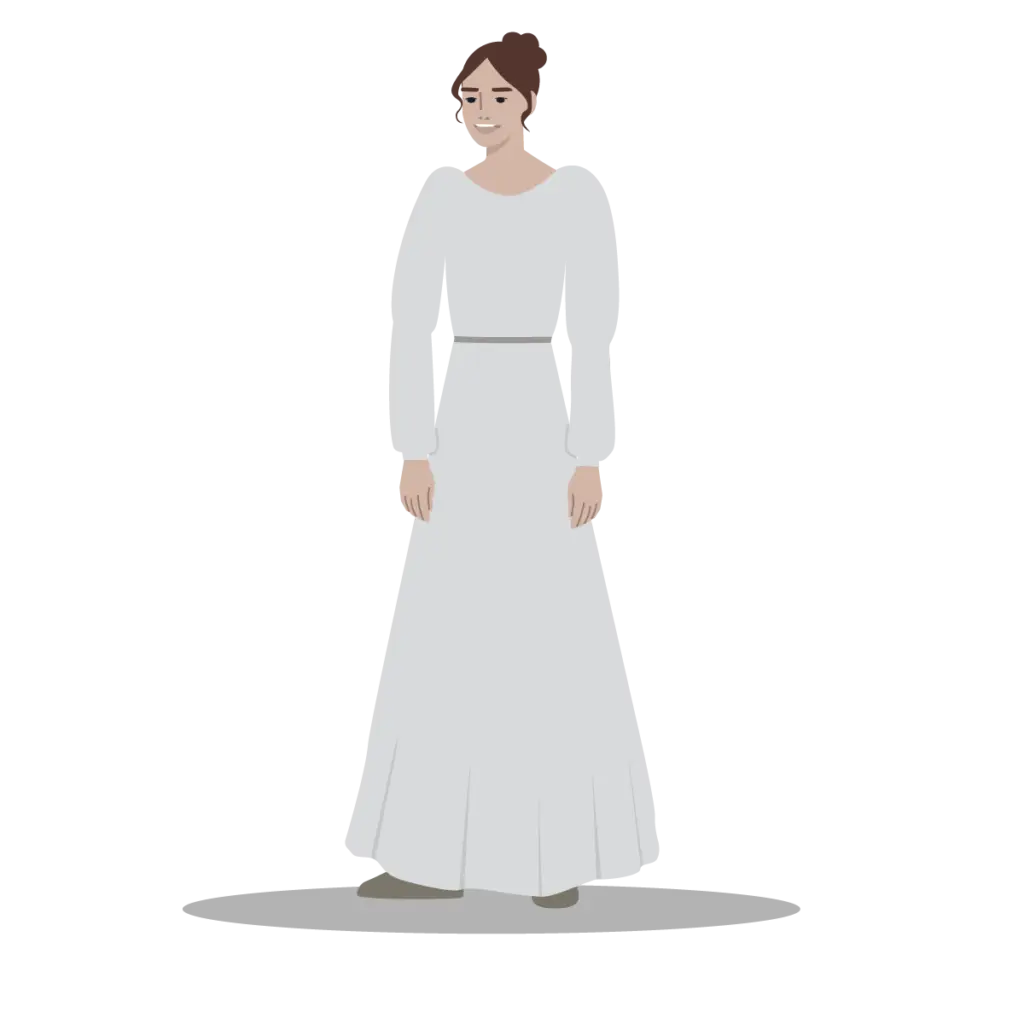
She also set up a successful gymnastics school in London where she taught four days a week at her career’s high point. Marian then went on to train other coaches, expanding her support to include other practitioners as well as participants.
Thousands of women now work as group exercise and fitness instructors across the UK, following in Marian’s footsteps. While her influence is often forgotten, she was a pioneer for women working as sport and physical activity professionals in the early years of creating career routes for women in the sector.
Agnes Beckwith
From just 14 years old, Agnes Beckwith was teaching swimming to girls in London during the late 1800s. As the daughter of a swimming teacher and water display performer, she had been in the public eye as a water baby since the age of two.
Many people, including women, earnt a living by teaching swimming during this period. By completing impressive endurance swims along the Thames, she promoted her classes while also acting as a role model for Victorian women restricted by a society that expected women to be fragile. She highlighted lifesaving value of swimming skills too, saving a drowning lady and in a subsequent interview giving instruction on the topic.
Alongside her teaching, Agnes also organised ladies’ swimming tournaments and other organised swimming events.
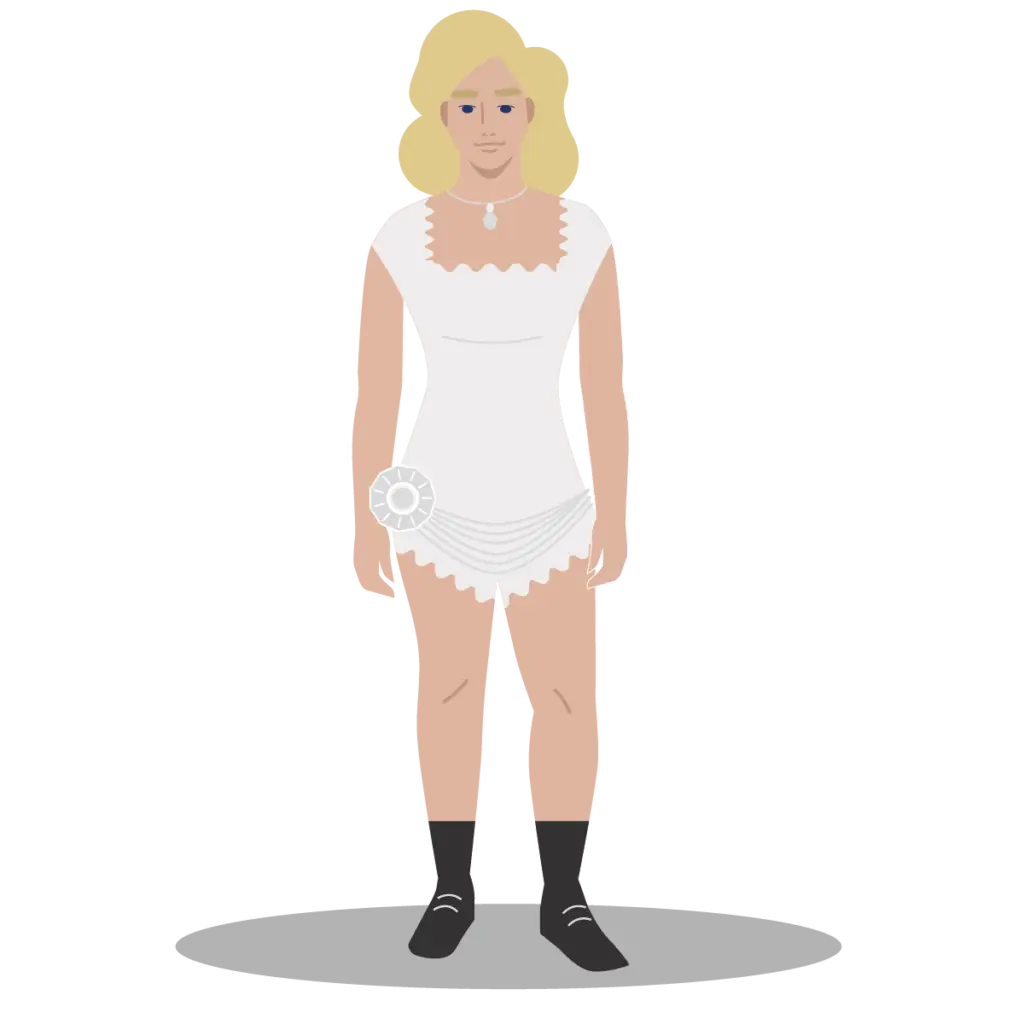
She also continued to perform underwater feats and managed troupes of ‘lady swimmers’ or ‘mermaids’ who put on aquatic displays across the nation.
These efforts expanded the career opportunities for aquatic professionals, showing that it was possible to offer a diverse range of services to forge a full-time career in swimming.
Her widespread public acceptance and successful career concreted opinion that swimming was not only a suitable activity for women, but also a normalised professional pathway.
Ruth Westbrook
Ruth Westbrook made history as the first full-time head coach of the England women’s cricket team. She originally trained as a PE teacher, then became a professional cricketer for the national team from 1957 to 1963. While she was reasonably successful on the field, she came into her own upon transitioning to a coaching role.
Ruth was one of the first two women to attend a Marylebone Cricket Club (MCC) course and gain a cricket coaching certification in 1962. By the time she was appointed as coach to the England team, she was also working as a sports science lecturer and had radical new ideas for incorporating sport psychology into the training programme.
Her coaching style, including off-field fitness training and dietary changes, was ahead of its time not only for women’s sport but the significantly more established men’s team training, too.
In spite of widespread unsupportiveness, Ruth’s approach was proven successful through a series of high-profile team victories. After retiring from her national platform, Ruth continued to play an active role in coaching and acting as a trustee for her local cricket teams until her death in 2016.
Ruth laid the foundations for the surging popularity of women’s cricket in recent years. Her determination in a male-dominated sphere and modern approach to coaching is replicated by many female coaches of both men’s and women’s teams today.
Diana Moran
Most famous for her time as the ‘Green Goddess’ won the BBC’s Breakfast Time show in the 1980s, Diana Moran can be held largely responsible for popularising at-home workouts in the UK. As a qualified exercise teacher, she donned a bright green leotard to host a daily fitness segment that encouraged viewers to get moving. The key feature was her programme of simple movements that didn’t require the in-person support of a coach or specialist equipment, allowing as many people has possible to get involved. Amid growing awareness of healthy living in the 1980s, she contributed to normalising regular exercise as part of daily life.
Suffering significant health challenges as she aged, Moran has expanded her mission to include everyone in exercise. Since her breakfast segment ended, she has been an active promoter of exercise for preventative healthcare, particularly for bone health and osteoporosis
Diana has written several books on ageing and fitness and continues to be a public advocate for lifelong movement for health.
In recognition of her services to health and fitness education, she was awarded the British Empire Medal in 2019. Diana continues to participate in public fitness events, and her recent work serves as a strong example of how sector professionals can support inactive and ageing communities to participate in sport and physical activity.
Paula Dunn
Paula Dunn rose to fame as one of Team GB’s most successful sprinters of the 1980s and 1990s. After winning medals at Olympic, Commonwealth, World and European races, Paula has turned her talent to coaching.
Starting at UK Athletics in 2001, she soon moved into the disabled sporting space. Paula became Paralympic head coach in 2012, becoming the first female head coach appointed by UK Athletics and supporting the diverse elite team at multiple Paralympic championships. During her work there, she guided the team to record medal tallies, including 24 at the pandemic-delayed Tokyo 2020 Games.
After a brief stint as the Olympic Head Coach, she is now UK Athletics’ performance director, working in a more strategic capacity.
Paula uses her public platform to advocate for women in coaching, speaking at events and highlighting career opportunities available in the industry.
Her achievements throughout her career as both an athlete and coach have been recognised on the highest level. Paula was awarded an MBE for services to athletics and the BT Sport Action Woman Lifetime Achievement Award in 2021.
Paula is a long-standing role model for women working in the high-performance coaching space and demonstrates the possibilities for evolving throughout an extensive and consistently excellent career in the sector.
Sarina Wiegman
As the first ever football manager to reach five consecutive major international tournament finals, Sarina Wiegman has made countless headlines in recent years.
Her footballing career started playing as a midfielder in a US college soccer team. Returning to her native Netherlands after, she played alongside working as a PE teacher. Having moved on to play for her country for 14 years, she was capped 104 times and was the first female player to reach a century of appearances.
Sarina’s success hasn’t declined since she moved into coaching in the early 200s. Her career as a coach aligns neatly with the boom of women’s football. Moving from strength to strength, she was appointed as head coach of the Dutch national team and lead them to victory at the UEFA Women’s Euro 2017.
In 2021 she started her current position as manager of the Lionesses, who have dominated the international women’s stage since. The consistent excellence of the England national team under Sarina’s coaching has proved a catalyst to the swiftly increasing popularity of women’s professional football. This improved visibility has also inspired countless girls and women to play the sport.
In recognition for her incredible contributions to women’s football in the UK, she was awarded an honorary DBE in the 2026 Near Year Honours list.
Sarah Watts
It’s important that we recognise that not all game-changing women in the sector hold celebrity status. As founder and CEO of Alliance Leisure, Sarah Watts is responsible for transforming public leisure facilities across the UK. Over 300 refurbishments, upgrades and new builds have enabled people to learn to swim, recover from health issues and manage their mental health by getting active.
Before starting the company, Sarah worked for Bristol City Council. There, she learnt how leisure centres were struggling to support communities and saw how the provision needed to evolve. After making waves by helping local authorities to secure funding for facility improvements, Sarah switched focus to developing new leisure spaces.
When she started, Sarah was often the only woman in many a board room. Her determination and achievements as a sector CEO have contributed to improved diversity in senior roles.
Over more than 25 years of contributing to collaborative city development plans and community hub projects, Sarah’s work as a dedicated leader in the leisure industry have made an enormous contribution to sport and physical activity.
She continues to look forward and evolve alongside the sector, aiming to support healthcare services by designing facilities that allow for more health-oriented programming as well as the traditional leisure offering.