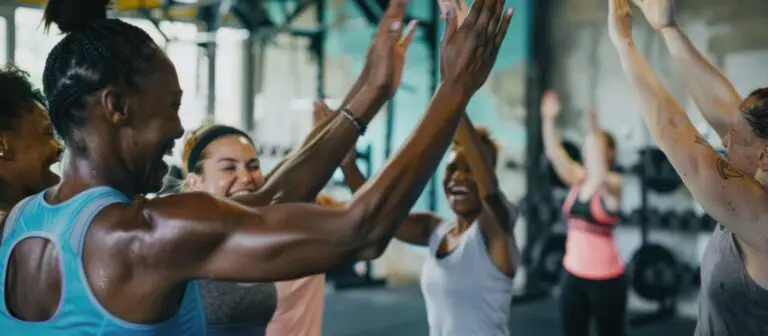




Beyond the workout
Young people are increasingly seeing physical activity spaces such as gyms as social spaces – what does this shift mean for sector professionals?
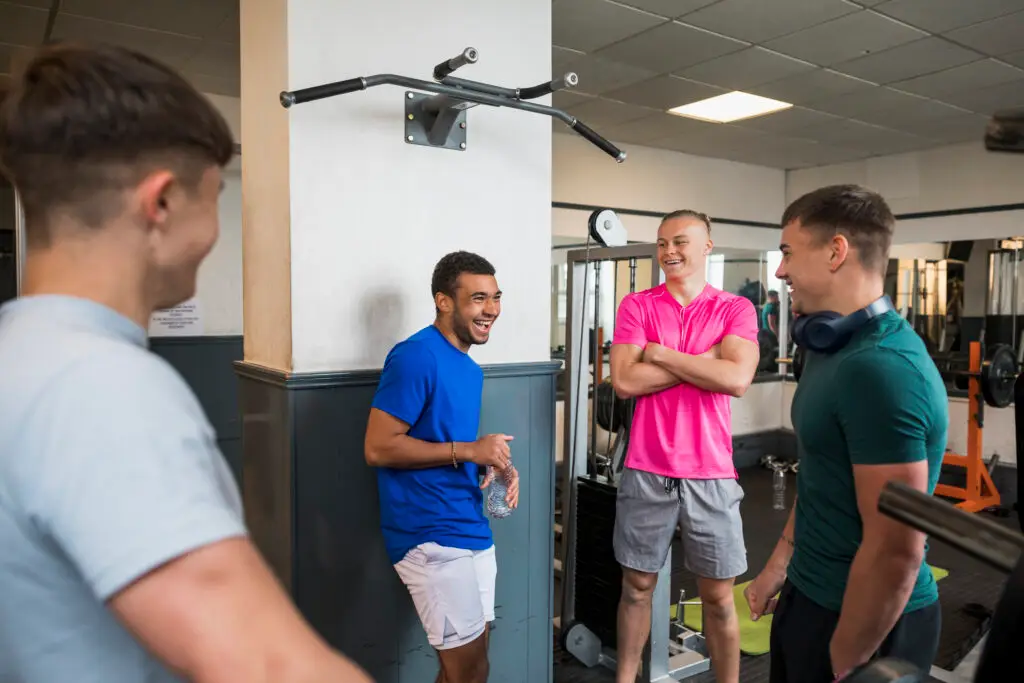
If you walk into a gym or fitness studio after work or at the weekend these days, you might hear laughter coming from the free-weights area or see groups grabbing a post-class coffee together. That’s not random – it’s part of a broader cultural shift where exercise and social life are merging, especially among younger people. For physical activity professionals, this trend is far more than a fun observation, because it’s reshaping how we think about engagement, retention and professional identity in our sector.
The move from a solo sweat to shared experience
For a long time, the stereotype of a gym was someone alone on a treadmill, headphones in, eyes half-closed, counting down the minutes. That image isn’t entirely gone, but it’s no longer the defining picture particularly for Gen Z and young Millennials.
Research shows this clearly, as in a UK survey of over 2,000 adults aged 18–24 by Focaldata:
- 37% of respondents said they view working out as a way to socialise, not just to burn calories or build strength.
- 42% reported having formed new friendships through fitness activities.
- Nearly a quarter (23%) listed socialising with friends as a core motivation for exercising.
- Another 27% saw exercise as a chance to meet new people and expand their social circles.
These numbers mean that what we’re seeing is not niche behaviour. It’s actually a meaningful shift in how this generation integrates physical activity into their lives.
Gyms as “third places”
In sociological terms, places like pubs, cafes and community centres used to be called “third places”. These are spaces outside home and work where people can spend time and connect with each other. We’re increasingly seeing gyms and exercise classes filling that role.
A survey for Nuffield Health found that 38% of people aged 25–34 say exercise helps them meet new people, compared with just 15% of those aged 55 and over. This research within fitness communities like running clubs or weekly class groups also showed that around a third of participants say exercise is their main form of socialising.
These aren’t standalone numbers – rather, they reflect broader cultural trends. Many young people prioritise shared experiences that feel purposeful and health-oriented over traditional nightlife or socialising around alcohol. Data from spending reports shows that younger adults increasingly prioritise gym spend over pubs or casual dining.
Class culture and community
The rise in boutique fitness studios offering classes from spin and HIIT to yoga and barre, isn’t just a trend for “cool workouts”. It’s evidence that structured, professional, instructor-led sessions create social bonds which often extend through lives.
Research from Les Mills shows that young participants value the company they experience just as much as the coach or workout itself. As the popularity of group classes has grown significantly, the social connection has become a major reason why people stick with them.
Beyond classes, fitness communities – whether informal park runs, boxing clubs or local bootcamps – are important drivers not only of health but of social wellbeing, too. Surveys regularly find that more than half of participants feel that being part of a fitness community improved their motivation and consistency and that it helped them exercise more regularly.
This tells us something simple but powerful – the social context of exercise matters as much as the physical activity itself.
For many physical activity professionals, this shift opens up exciting possibilities and some new challenges.
Engagement is social first
Understanding that younger members view gyms as community spaces means your job isn’t just about leading a workout, it’s about shaping an environment that facilitates connection. When people make friends or feel part of something, they’re more likely to keep coming back.
That insight has real implications for programming, scheduling and staff interactions. Classes, social events, team challenges and informal meetups aren’t “extras”, they’re part of how people experience fitness today.
Social motivation boosts retention
The data is clear that people are more likely to stick with activity when it’s social. From improved motivation to increased adherence to programmes, social engagement amplifies behaviour change.
This means that professionals who can build, nurture and sustain community, whether online or in person, are contributing directly to member behaviour change and wellbeing outcomes.
It elevates the role of the professional
A physical activity professional isn’t just a trainer or instructor – they’re a community facilitator, motivator and wellbeing advocate. That’s a broader, more strategic role that demands communication skills, group dynamics understanding and emotional intelligence. It’s also a role that carries more professional value in the eyes of members, partners and the wider health ecosystem.
Career development and professional status
As the lines between activity, wellbeing and social connection blur, there’s an opportunity for professionals to develop distinctive expertise in areas that extend beyond workout design:
- Group facilitation and psychology of motivation
- Community leadership and social engagement strategies
- Behaviour change and adherence coaching
- Programme design for social cohesion and collective wellbeing
Championing these skills doesn’t just make you better at your job, it also strengthens the professional status of the sector as a whole. That’s why aligning your development with recognised frameworks and professional standards matters now more than ever.
Rooms to relationships
Of course, not every young person experiences a gym as a social space. We need to recognise that people’s preferences, activity goals and local culture all shape how they interact with their environment. However, the data from successive surveys and pieces of research shows a meaningful trend that can’t be ignored.
For physical activity professionals, this shouldn’t be viewed as just a shift in audience behaviour. It needs to be acknowledged as a call to lead and to create classes and spaces that feel welcoming, energising and relational. This will build communities that support long-term engagement.
It’s time to recognise that the value you offer isn’t just in the reps completed or the calories burned – it’s in the connections that people can forged along the way. Ultimately, fitness might be what gets people through the door. But it’s the people, and the community, that keeps them coming back.