



Connecting with the community through major sports tournaments

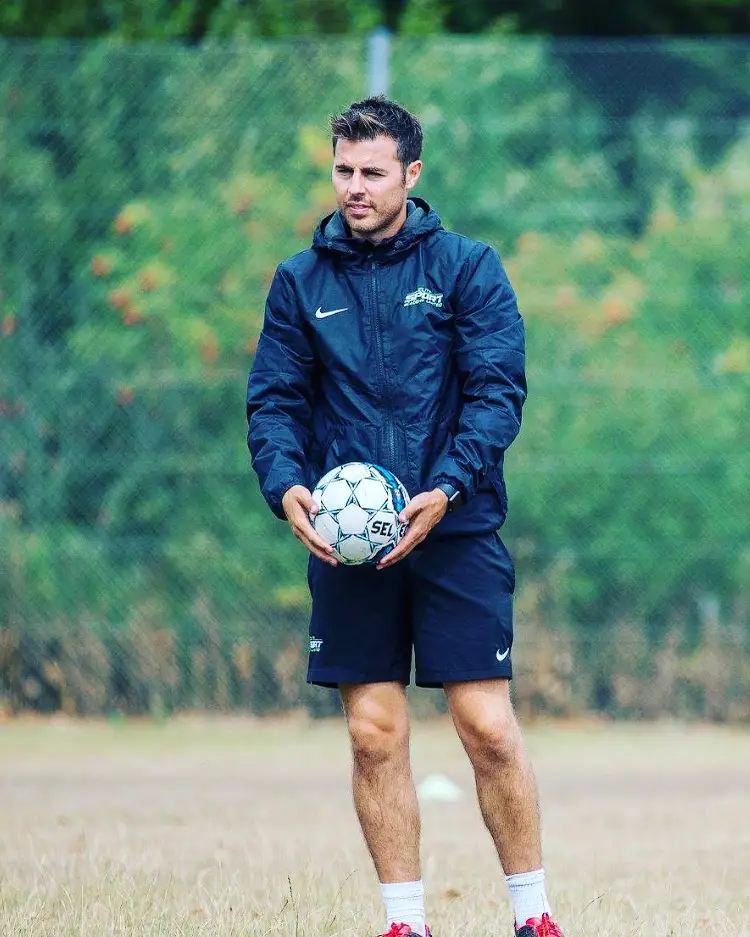
Andrew Tidswell, Head Coach at Elite Sports Academy, talks to us about the major sports calendar and how he uses it in his delivery
It’s no secret that major sports tournaments cause a huge spike in participation – the buzz that is created every four years when the FIFA World Cup or the Olympic Games come around are two examples of this – World Cup Fever sweeps the nation with new heroes to aspire to, new goals and further celebrations to replicate, whilst the Olympic Games and Paralympic Games reminds everyone about the variety of sports we can take part in, solo or in a team.
When these tournaments come around, they present a big opportunity for community and grassroots sports organisations to drum up participation rates.
Andrew Tidswell, Head Coach at Elite Sports Academy, discusses his experiences as a local community sport organisation and how major tournaments, especially the Women’s Football World Cup and European Championship, have impacted his delivery in Lincolnshire, Cambridgeshire and Rutland:
“Doing this job over the last four or five years – alongside the success that the Lionesses have had – I do believe that girls and women’s football has grown massively in this country. Girls actively want to come to more clubs and we’re still seeing it in the community as well – more are signing up and taking part in our sessions.
Those girls from five years ago are still playing. The increase of girls’ football teams in Lincolnshire has grown, which is a clear indication that they have got the bug and have continued into organised sport.”
What is Elite Sports Academy?
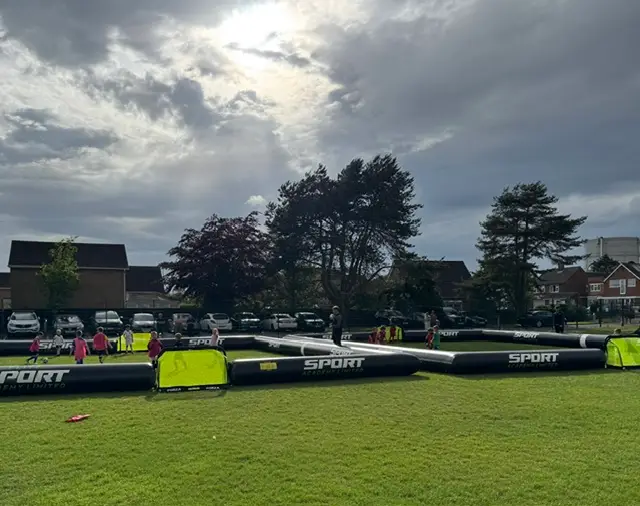
Based in Lincolnshire, Cambridgeshire and Rutland, Elite Sports Academy is a community sport organisation that delivers a wide range of sport and physical activity to children across the region.
The organisation runs weekly football sessions, school holiday sport camps and after school clubs, as well as supporting schools with PE delivery, inter-school competitions and CPD events for teachers.
The CPD events support class teachers with structuring lessons, ideas for activities and assessment procedures.
Getting inspired
Some sport and physical activity trends are on the rise, with running having its moment. There has been a record number of sign-ups for the 2027 London Marathon with a second day now being introduced, and Strava has found that the number of run clubs that have joined the platform is tripling.
Interest and participation in darts is also snowballing, which is being put down to teen sensation Luke Littler and his recent success.
Social media has been put down to the rise of these sporting activities. ‘Runfluencers’ and ‘RunTok’ are some of the most watched topics on TikTok with hundreds of millions of views, inspiring more and more people to lace up their trainers and get outside. Running is becoming less of a solo activity and more of a community where everyone is sharing their progress, their outfits and joining run clubs.
Andrew discussed how social media is impacting the sports that younger children are becoming interested in:
“You have to be really mindful. Generally, I do believe that social media does influence what sports children are gravitating towards – especially towards Year 5 and Year 6 when they do have phones and get on TikTok where they can see clips.
“The problem we’ve got is a lot of sports have been taken off free airtime TV, so you also have a barrier there. Part of our job is to bring those sports to life and be talking about it and keeping it relevant.”
Using trends as a hook
Each sport tournament represents an opportunity to engage new or current participants. Currently in June 2026, the FIFA World Cup tournament is in full swing, and it is impossible to pass you by.
As a community sport organisation, Andrew is using this huge international tournament as a hook to encourage participation:
“Part of our job is to keep children talking about sport and keeping it relevant – even telling them what’s happening. I’ve been going into our partner primary schools where we have organised a country for each class to back for the World Cup, and if their country wins that class receives a reward. It helps to build that interest, go and watch it and spark engagement.”
ESA have also adopted World Cup themed sessions outside of schools:
“We run football sessions every Monday evening, with over 100 children turning up. We are currently running mini football tournaments and have all of the different country’s flags, and our delivery language revolves around the World Cup. Because for them, they want to come and be Harry Kane, Marcus Rashford, Bukayo Saka, and for us adding to the excitement around that put them in good stead to continue, join us and follow in their footsteps.”
We know that as a country, football is one of, if not the most popular team sport. And with a year-round footballing calendar of well-established and well-watched tournament and leagues, homing in on this is a no-brainer.
But what about the less dominant sports?
Andrew’s advice is learn to adapt and introduce these as and when they are high on the sporting agenda:
“I think the sporting calendar now, there’s always something going on. We look at the sporting calendar and see what’s coming up. It’s about understanding the calendar, using it as a tool when it’s coming up to build that mass interest, but then going back to it to rebuild that connection again.
“It’s not always about the dominant sport, it’s the smaller ones that you can cross-link skills to whatever they’re doing.
“We had the Winter Olympics recently, and with our partner primary schools new-age curling actually took off. It was a big interest for them – when you went home, it was on TV.
“Throughout that, we did a lot of development days within those schools around curling and what it looks like in a PE setting – we use ball bearings and targets to imitate the game.
“The more exposure children get to the top-end sport, the more it builds a toolkit for us to use and to keep encouraging them to try different activities.”
Using major sports events and tournaments not only gets people through the door, it can also help you build lasting connections with participants to keep them coming back.
It can be a conversation starter, and it can also help to keep your sessions fresh by introducing new concepts, ideas and games to your participants, keeping them engaged without repetition.
“The sporting calendar is built into what we’ve done and that’s a real add-on to how we can promote our work. It’s not just a quick decision to try out a random sport, we link our delivery back to trends and use examples of what’s happened in tournaments.
“It can be really easy to open the session with ‘did you see Luke Littler play last night?’ or ‘did you see Harry Kane’s goal last night?’, and from there you can start to build that connection with the children. When that connection is built, you can get that buy in.”