



The evolution of fitness
How wellness, performance and technology are reshaping the sport and physical activity sector
A sector in transition
The sport and physical activity sector is experiencing a period of transition, evolving beyond traditional gym models. With fitness and exercise continuing to grow with the help of online platforms and influencers, a more rounded approach to health and fitness is coming into the spotlight. Although gym and leisure facilities continue to open new venues, data is showing that there is also a contrasting acceleration of wellness-focused businesses on the rise (Leisure DB, 2026).
Insight is telling us that the sector is not shrinking – it is diversifying and redefining its value. Let’s take a closer look at what this diversification looks like through the current and upcoming trends within the fitness industry.
The rise of wellness-focused business models
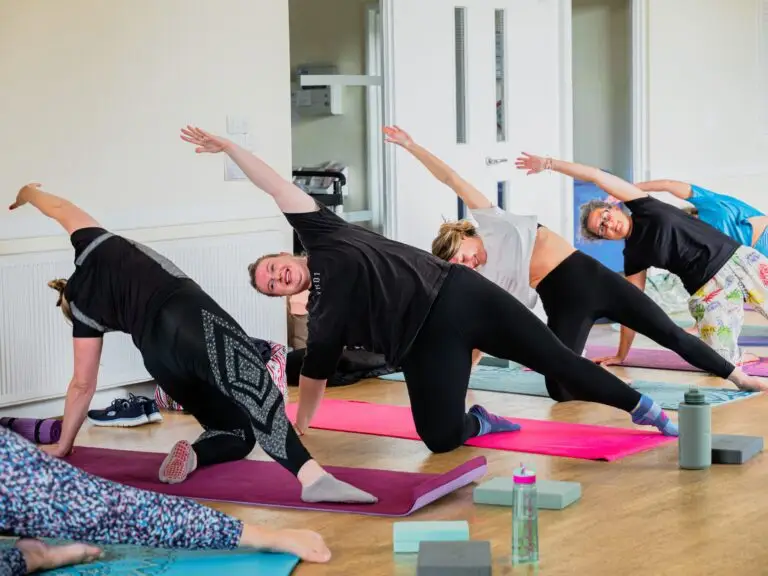
With the demand for reformer Pilates, hot yoga and well-rounded recovery continuing, it has created a shift in the businesses being created in the sport and physical activity sector between 2023 and 2024. More intense and dynamic than traditional mat-based Pilates and incorporating a specialised bed-like machine, reformer Pilates builds the core whilst improving flexibility, balance and posture through exercises which provide resistance and support.
In 2023, 47% of new businesses incorporated within the sector were gym/fitness/ leisure-based businesses and facilities, and 29% of businesses incorporated were yoga, Pilates and wellbeing related (The Data City, 2026).
Fast forwarding to 2024, the number of gym/fitness/leisure facilities dropped slightly to 41%, however the percentage of yoga, Pilates and wellbeing related businesses jumped to 36% (The Data City, 2026). This demonstrates the move to a more wellness focussed sport and physical activity sector.
What’s reflective is that gym-based businesses are still at the forefront of leisure facilities, but growth momentum is within the wellness space. Evidence is showing that there is consumer demand for recovery, mind-body integration and preventative healthcare, with activities such as reformer Pilates, hot yoga and recovery-led spaces driving the shift. Those operators who choose to blend performance, strength and recovery practices are therefore gaining a competitive advantage by covering more of the market.
Reshaping participation
Drawing on key data sources, from CIMSPA’s Data Lens and The Data City to desk-based research, surveys, focus groups and industry reports featuring market data, CIMSPA’s 2025 trends webinar highlights the emerging trending activities which are reshaping the sector:
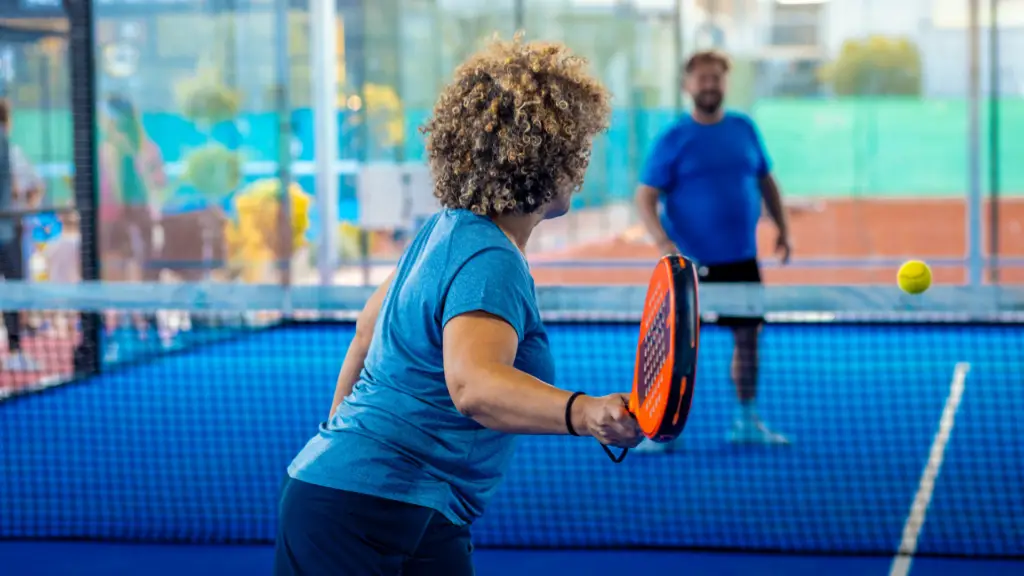
Padel
At the end of 2024, just over 400,000 adults and juniors in Great Britain played padel at least once in the preceding 12 months. This is up from 15,000 in 2019, 89,000 in 2021, and 129,000 at the end of 2023.
This growth is supported by a rapidly expanding infrastructure, with 893 padel courts now available across 300 venues in Britain. As of February 2025, the LTA has invested more than £6 million in the growth of padel across Britain, including £4.5 million towards the development of 80 courts at 42 venues. This represents approximately 10% of all padel courts nationwide.
Financial growth of padel is being driven by LTA grants and large multisite operators, with David Lloyd Leisure being the UK’s largest operator of padel courts. As of July 2025, David Lloyd Clubs operated 166 padel courts across 47 of its UK and Europe sites, 32 of which are in the UK. David Lloyd aims to establish 220 padel courts across its UK and Europe sites by the end of this year. According to David Lloyd’s own figures, the number of its members playing padel increased nearly five-fold between April 2023 and April 2025.
For the sector, this means that facilities need to be adapted to accommodate this activity if they want to be able to exploit such an opportunity. The workforce also needs to meet the demand for specialist coaching and therefore the training offering requires review and adaptation. Padel’s popularity is demonstrating that there is a commercial viability beyond traditional tennis models.
Hyrox
This CrossFit-style multi-functional fitness event combines endurance and strength. Its popularity has been attributed to it being an accessible yet competitive race format. Less technical than CrossFit, its ability to test both endurance and strength through varied exercise reduces the monotony of training routines. Outside of competition, each exercise can be adapted according to the participant’s strength and skill, whilst competitions offer separate categories for both elite and amateur competitors.
Hyrox-related jobs have seen a sharp increase within the sector – in 2024 there were 8 mentions of Hyrox in job descriptions compared to 1,764 in 2025. This may be largely due to partners such as The Gym Group.
As with padel, we’re seeing the growth of Hyrox being supported by large gyms and leisure facilities, with many gyms now offering dedicated classes. It has also built a highly engaged online community, which helps to increase its visibility. The rise of this type of activity is demonstrating the demand for structured performance training, with growth driven by commercial gym partnerships. The workforce needs to adapt by understanding competition-based programming, which may mean a change in education curriculum.
Reformer Pilates
A low-impact form of exercise with an element of mindfulness, reformer Pilates aligns with broader trends around increased interest in mental wellbeing and wellness within an increasingly health-conscious population. As a result, this health and wellbeing exercise is experiencing significant growth.
With an increasing integration into major operators such as David Lloyd, Virgin Active, Everyone Active, 899 companies mentioned reformer Pilates on their website as of November 2025, with a 2.5% estimated annual growth and 17% employee growth.
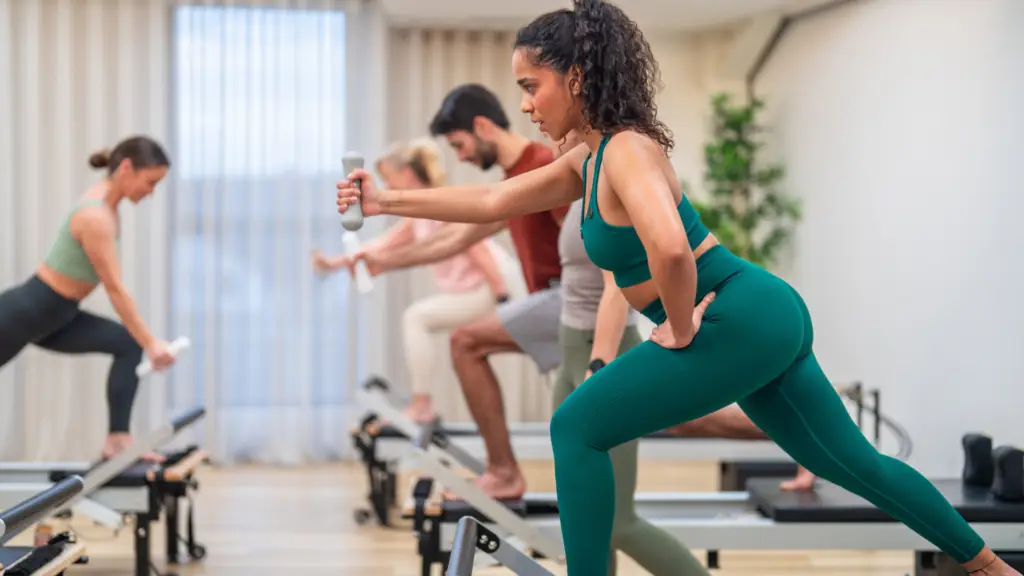
These classes are high end in nature due to high-cost equipment and low number of participants able to fit into studios with the necessary apparatus. This is resulting in a ‘premiumisation’ of wellness is taking place, which in turn provides operators with a higher yield per square metre.
Reformer Pilates’ strong alignment with preventative healthcare and longevity trends as well as its luxury branding is attracting a whole new audience and employee, with independents in particular popping up to take a share of this lucrative business opportunity.
AI and digital skills demand
Other key trends that emerged through research and analysis of job posting and skills data were that generative AI and ChatGPT appeared amongst the sector’s most-requested certification skills for the first time in 2025. This huge leap in demand for this specific type of digital literacy shows that it is now a core workforce capability and not an optional skill. It also reflects how operational functions are evolving, and that efficiencies are becoming increasingly AI-enabled.
Web scraping also provides social media skills data, which revealed that TikTok remains the highest amongst job postings, indicating the desire for employers to engage younger demographics, with marketing becoming content led and youth focused.
Despite the number of certification skills remaining steady, the sector saw a reduced demand for virtual-meeting-related skills. Less need for proficiency in platforms such as Microsoft Teams and Zoom indicates a desire where possible to engage with participants and colleagues in person. This might be due to a pandemic normalisation effect.
With these trends in mind, it is important that there is a review of professional standards based on the digital evolution. With the standards informing education, career mapping and job descriptions, it is essential that the minimum knowledge, skills and behaviours an individual must understand and demonstrate becomes reflective of this new digital age.
Moving to a more holistic sector
What do these trends mean for employers and the workforce? If businesses are to keep up with the move towards a more holistic, integrated sector, where wellness, competition, recovery and technology coexist, there needs to be a diversification of service models. There requires a shift in how facilities serve their clients and community. Operators will need to look at provision of blended wellness and performance facilities and wellbeing spaces, with premium small-group formats and specialist instructor roles, as well as the existing traditional group exercise models and staff.
There is also a need for qualifications to adapt to the skills required by employers, as well as current workforce upskilling to meet the demands and utilisation of digital marketing and AI tools.
As a sector, is important for us to ensure that our workforce is equipped with the knowledge, skills and training to keep up with emerging and growing activities and ensure they’re delivered safely and participants receive quality service and experiences. As guardian of the occupational professional standards, CIMSPA is a strategic partner in future-proofing the workforce. Through CIMSPA, employers have a plethora of insight and resources to allow them to review their workforce skills, plug any gaps and plan to meet the needs of the community that it serves.