



What’s happening with weight-loss drugs?
An overview of the latest updates on GLP-1 obesity treatments and how new knowledge can be applied by sport and physical activity professionals
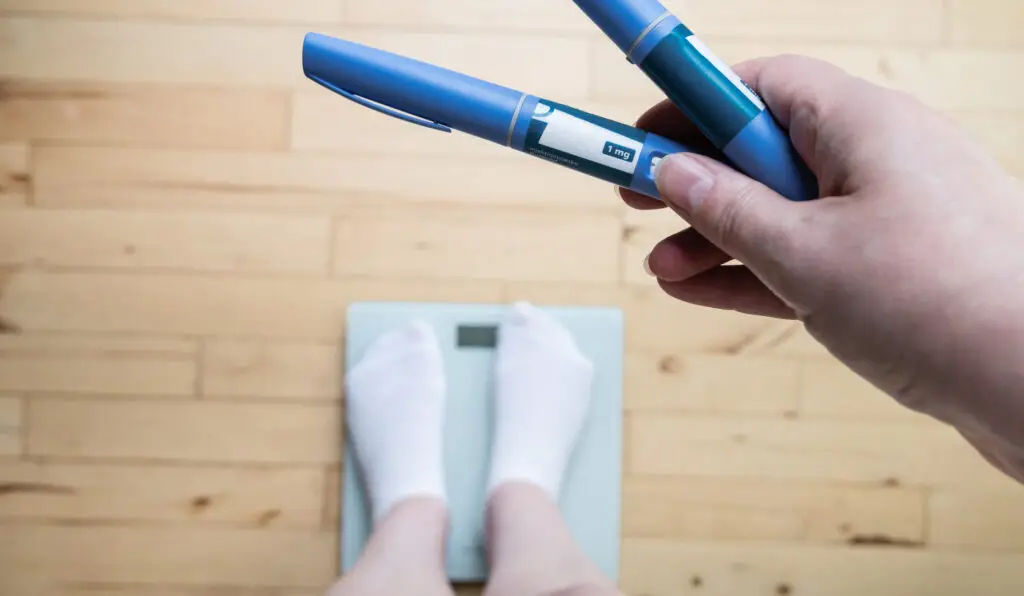
At the end of 2025, as the world took stock of the GLP-1 medication boom, both concrete impact reports and international guidance were published alongside the regular host of anxiety-inducing news articles on the topic. But what can professionals in the sport and physical activity learn from these new resources? How can we best support participants with this complex factor changing how our clients exercise?
ukactive and Les Mills report
Let’s start with the report. In December, ukactive published the results of their global academic review in collaboration with Les Mills on the impact of weight-loss drugs. Its focus was on the muscle mass loss caused by taking GLP-1 agonist drugs.
With contributions from researchers worldwide, the report brings together a wide range of data and analyses to describe the implications for the sector as well as providing recommendations for how to manage these.
At the heart of this information is the concerning conclusion that those taking weight-loss medications are extremely likely to lose muscle mass. Due to the high caloric deficits created by the loss of appetite these drugs induce, the body breaks down muscle tissue for energy and create a similar effect to cancer treatment or 10 years of ageing.
This is particularly concerning for older participants who are already naturally losing both muscle mass and bone density. The use of GLP-1 medications speeding up this process creates a high risk of injury during exercise. With hip fractures alone already costing the NHS £2.3 billion every year, we can’t afford to ignore this impact. In terms customer satisfaction and safety as well as the very real concern of insurance costs, it’s important to factor in potential frailty to exercise programmes. With sessions targeted on maintaining muscle mass incorporated into their schedule, GLP-1 agonist patients should be able to safely increase their fitness in other areas, too.
On a positive note, the report cements that this approach can work wonders. According to the review, combining strength training with a healthy diet can help to reduce the muscle-loss effect of the drugs. While the advice has always been to combine exercise in general with the GLP-1 treatment plan, concrete evidence that strength training in particular can support clients on a weight-loss drug treatment provides a focus for sector professionals designing training programmes.
Demand and supply
In spite of the concerning effects highlighted by the ukactive/Les Mills report and other clinical studies, the popularity of these drugs continues to boom. An estimated 1.6 million adults in the UK have taken them in the past year, and this is only likely to increase. Though the often-quoted global obesity crisis and the evidenced health risks that this can cause have brought these drugs to the NHS and government policy, the popularity explosion is more complex than that.
GP practices are now receiving incentive payments for prescribing the drugs, upping numbers where other treatments were previously prescribed. While those with multiple health issues caused by their weight can access these prescriptions for Mounjaro or Wegovy, many more individuals below the official threshold are paying for private prescriptions or even accessing the drugs through illegal sellers.
Despite almost a third of the national population being classified as obese and growing evidence of the complexity of the disease, there is still a strong culture of personal responsibility for obesity. Although genetics and the cost and availability of healthy foods, alongside a network of other factors, can lead to a person being obese, many individuals feel guilty for being overweight. This isn’t just a personal weakness – we are encouraged to feel this way by the prevalence of skinny continuing to be sold as the ideal and default body type in popular media.
So, in the face of a cloud of uncontrollable factors, people grasp at a method of taking control of their weight and stepping towards the body shape they see as healthy. Weight-loss drugs are seen as empowering for many individuals who have tried for years to manage their weight and be healthy without seeing the changes they are looking for. This means that not only those suffering from very real health issues due to their weight are taking medication that induces muscle atrophy, but also those who aren’t being monitored by a GP and may be creating more problems than they are solving.
Although we are undergoing a cultural shift towards accepting more body shapes and sizes as healthy and normal, this is a slow process. While it’s ongoing, we can expect to see huge numbers of people insecure about their weight turn to GLP-1 one medications as a solution.
Because of this trend with no end in sight, there is now a global shortage of the drugs. This means that many who may have started a prescription are no longer able to access it, and many more who are looking to take them are simply unable to start. The surrounding context here is important to understand when planning fitness activity for clients – both in terms of individuals’ long-term motivation and their current and expected physical condition.
If someone is hoping to take the drugs in future, why not give them a head start on building muscle? If a client is feeling demotivated because their miracle solutions is just out of reach, be sensitive and support them to find enjoyment in a more slow but steady approach to weight loss. While each participant will respond differently,
In this continually changing situation, it is becoming more essential than ever to keep up to date on where an individual is along a health journey. Ensuring that physical activity regimes are appropriate, safe and cater to the person’s mindset will keep clients coming back. Supporting them to get fitter and enjoy the benefits of exercise wherever they are in terms of weight-loss medication treatment is a sure-fire way to both improve client health and generate sustainable business for sport and physical activity providers.
Official guidelines
After adding GLP-1 therapies to its Essential Medicines List for its capabilities in managing type-2 diabetes, the World Health Organization (WHO) has since issued guidance to support their safe and effective roll-out around the world. While not all of the guidelines are aimed at sport and physical activity professionals, the document provides clarity for the sector in a number of key areas. Information presented includes:
- who should be using the medication
- what good practice looks like in treatment
- where there are currently gaps in research.
Most importantly for our sector, the guidelines states:
“People living with obesity should receive context-appropriate counselling on behavioural and lifestyle changes – including, but not limited to, physical activity and healthy dietary practices …”
This cements the importance of physical activity as an essential part of GLP-1 treatment, meaning that as we see these medications become more and more prevalent, the health sector will need to work with us to ensure treatment plans are consistent, effective and appropriate.
The WHO GLP-1 guidance also highlights the importance of using its physical activity and sedentary behaviour guidelines as a basis for planning fitness interventions. Divided into separate advice for children, adults and older adults, these guidelines are already widely used around the world.
With at least 150 minutes of moderate-intensity aerobic activity per week suggested in combination with strength training, these recommendations should be familiar to active wellbeing professionals. However, they are worth revisiting when considering clients who may be unused to physical activity and need to gradually change their behaviour from sedentary to active, as the guidelines suggest.
Once you’ve caught up with the global guidelines, it’s helpful to dig deeper into how sport and physical activity professionals, from personal trainers to sports club managers and more, can support GLP-1 patients. Published in March 2025, CIMSPA collaborated with ukactive to produce sector-specific guidance that focuses on practical considerations that those planning physical activity interventions should incorporate into their work.
Some of the knowledge areas covered are:
- common medication names to be aware of
- programme design recommendations
- when to signpost to healthcare professionals
- training guidance for education providers and learners.
To support your understanding of the guidance and how to apply it, a recorded webinar is also available, with an expert panel of medical professionals and key figures from the sport and physical activity sector providing both a baseline understanding and technical insight into GLP-1 agonist therapies.
Ensuring long-term results
While it’s essential to understand how to work with individuals taking GLP-1 medications, we all already know the importance of creating healthy habits. With those quitting weight-loss injections regaining weight four times faster than conventional dieters, sport and physical activity professionals can offer tailored support to help avoid this result.
When individuals stop taking these appetite-suppressing medications, they are likely to struggle with balancing their food intake with their activity levels. By working with those using GLP-1 drugs, the sector workforce can slow weight gain through educating clients. With topics such as fuelling your body for movement and the importance of maintaining regular activity levels already a core part of a fitness professional’s knowledge, it’s simple to ensure that education is incorporated into session plans alongside appropriate physical activity.
By supporting participants to create healthy habits, sport and physical activity professionals can better ensure that they can achieve and, crucially, maintain their fitness and weight goals. As well as being essential to the long-term physical health of those with obesity, being able to continue successfully after their medication journey offers immeasurable benefits to self-confidence and mental health.
Lauren Connis, Head of Health and Wellbeing at leisure group Oldham Active, is already focused on the future and how practitioners can shape weight loss journeys:
“GLP-1 medications are starting to reshape the way we approach obesity, but they’re not a magic solution – movement and exercise are still essential. At Oldham Active, we’ve launched a specialist exercise referral pathway for people taking these drugs, helping them stay active, build and preserve muscle, and develop sustainable movement habits alongside their treatment.
“In my view, the GLP-1 medications available today are just the beginning. More advanced injections are likely to emerge in the coming years, and it’s imperative that we, as providers, adapt and enhance our offers. By creating inclusive, supportive programmes, we can ensure everyone benefits from the combination of pharmacology and physical activity, setting people up for long-term health and success.”
Once regular contact with healthcare professionals ends, sport and physical activity professionals will continue to be there as motivational speakers, knowledgeable guides and role models for maintaining physical health and fitness. Our sector is and will always be a key factor in the success of GLP-1 medications to treat obesity, so taking on board the latest information and guidance is becoming a must for professionals in sport and physical activity.