



Tai Chi and Qigong in rehabilitation
Mark Peters, Lead Trainer for Midlands Tai Chi Rehab, explains the practical benefits of these Chinese practices for clients with chronic conditions
When designing exercise programmes for people with chronic medical conditions, high-intensity activity is not always the safest or most appropriate option. Tai Chi and Qigong – slow, structured, mind-body forms originating in Chinese movement traditions – have an expanding evidence base that makes them a useful and pragmatic addition to rehabilitation pathways. They are not a replacement for strength or aerobic training where those are indicated, but they are uniquely suited to meeting several needs common across long-term conditions: safety, balance retraining, energy management, stress regulation and long-term adherence.
What are Tai Chi and Qigong?
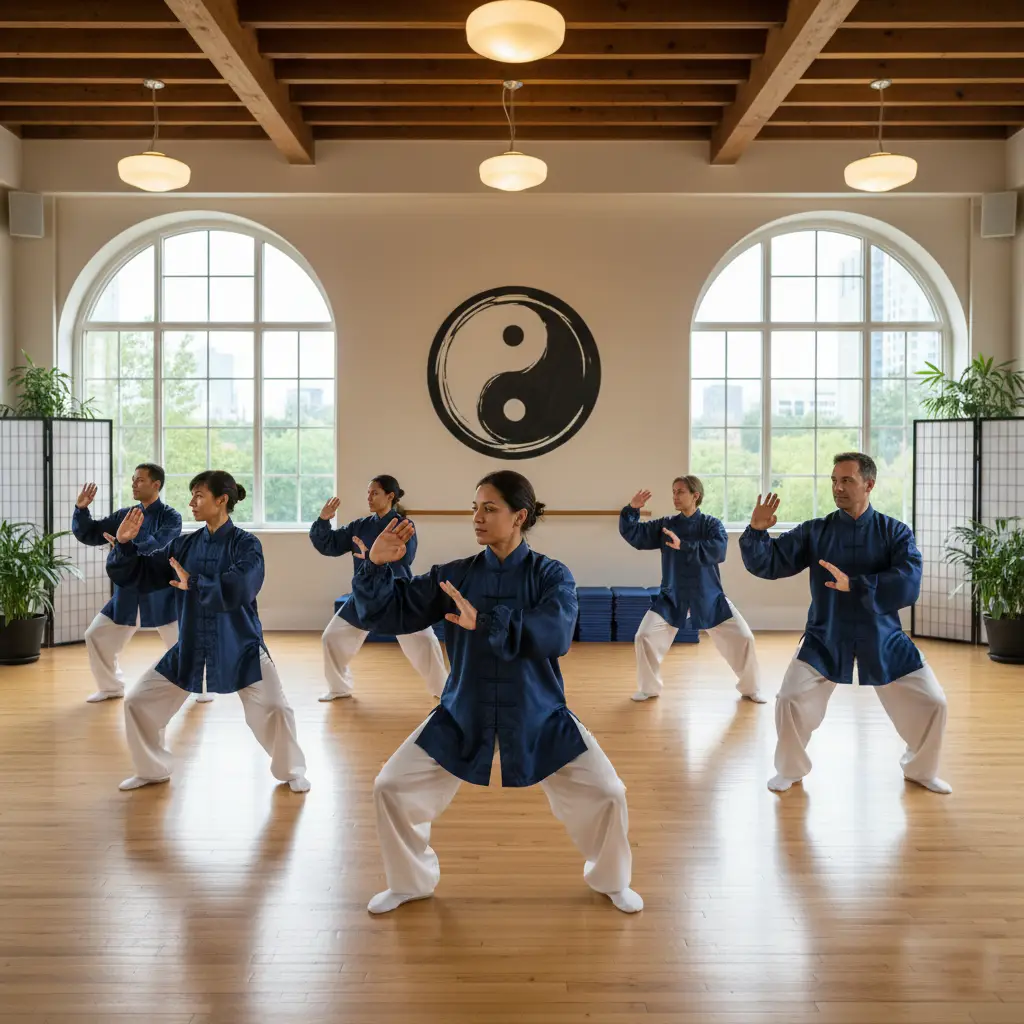
Tai Chi (Taijiquan) is a traditional Chinese martial art that has evolved into a gentle, flowing form of exercise focused on posture, balance, and controlled movement. Originally developed for self-defence, it is now widely practised for its health benefits, including improved coordination, balance and relaxation. Tai Chi sequences are typically structured forms practised slowly with mindful awareness and controlled breathing, through which they improve bodily awareness.
Qigong is a broader system of energy cultivation that includes simple breathing, stretching, and meditative exercises designed to regulate the flow of Qi (vital energy). While Tai Chi is a specific, choreographed form, Qigong consists of individual movements or standing postures that can be easily adapted for people with limited mobility or fatigue. Movements are repeated, similar to a typical aerobics class format, making them initially more accessible.
In rehabilitation, both practices share similar benefits of improving physical function, reducing stress and supporting mind-body connection. However, Qigong is often used for early-stage recovery or fatigue management, while Tai Chi can offer progressive challenge and balance training as clients gain confidence and strength.
Why Tai Chi and Qigong matter in rehab
There are many practical features that make Tai Chi and Qigong particularly valuable in rehabilitation settings.
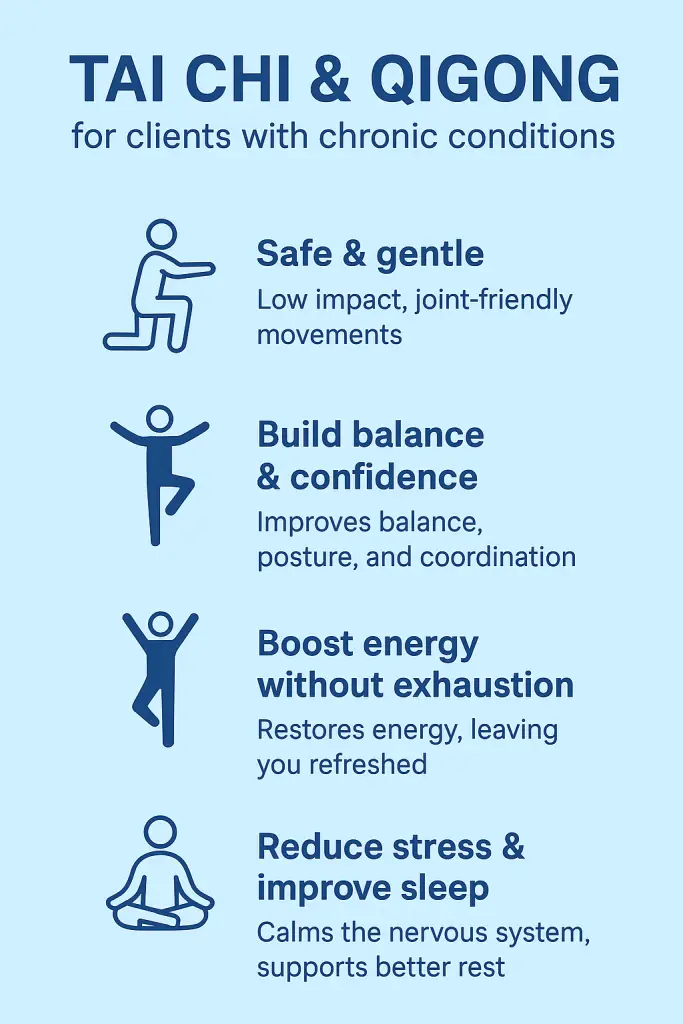
Movements are performed slowly and can be adapted to standing, seated or supported positions.
This reduces joint loading and risk of exercise-induced symptom flare in populations with pain, frailty or limited cardiovascular reserve. Many exercise referral professionals find this adaptability useful when clients cannot tolerate standard gym progressions.
Balance training such as Tai Chi is an effective intervention to reduce falls and improve stability. This offers significant health benefits, as balance impairment and falls are common challenges across older adults and appear alongside many chronic conditions. Research also shows reductions in fall rates and improvements in balance measures following Tai Chi programmes, making it a credible component of falls-prevention pathways.
Tai Chi and Qigong combine movement, paced breathing and focused attention, which can reduce anxiety, improve sleep quality and support self-management of persistent symptoms such as fatigue and pain. These outcomes significantly support recovery and maintaining engagement with other therapies, and there is also evidence to show that it has some positive effects on depression, anxiety and quality of life.
Conditions that can benefit from Tai Chi
Research suggests that Tai Chi can improve exercise capacity and quality of life in people with chronic heart failure when used alongside usual care. It is particularly useful for patients unable or unwilling to perform conventional high-intensity cardio.
This is also the case for individuals whose symptoms make it difficult to participate in conventional forms of exercise, providing an accessible entry point to physical activity.
Qigong and Tai Chi have also shown promise in reducing fatigue severity and improving sleep in people with chronic fatigue or post-infectious syndromes. Their low-intensity nature and focus on pacing make them attractive options for energy-management programmes. For those with mental health conditions, mindful movement interventions, including Tai Chi, demonstrate modest but consistent benefits.
Practical benefits in service delivery
For practitioners and programme managers, Tai Chi and Qigong offer several advantages:
High acceptability and retention
Community delivery models (local groups, NHS or free programmes) often show good attendance among older adults and those with chronic conditions as they offer a gentle start to participating in physical activity.
Low resource requirement
Classes require minimal equipment and can be delivered in small community spaces, outdoors or online, improving access and reducing costs.
Adaptable opportunities
Tai Chi and Qigong classes can be adapted to suit particular needs depending on local demand or even specific clients, for example simple Qigong for deconditioned clients; structured Tai Chi for balance and functional gains; or integrated with strength training as function improves.
How to deliver safe rehabilitation
When delivering Tai Chi or Qigong as a rehabilitation programme, follow the same precautions as you would for any service for participants with ongoing health conditions.
Participants should start with short, supervised sessions (20–30 minutes) focused on range, breath and confidence-building. Progress by frequency and complexity rather than intensity. From the outset, it’s important to check for red flags and refer back to medical teams where needed.
Pacing and symptom-management education can support people who are unused to physical activity, with an emphasis on gentle practice, frequent rests and self-monitoring ensuring that participants feel comfortable and keep coming back. Seated or supported options can also create a more manageable environment for unstable individuals or those with severe fatigue.
As always, it’s essential to treat participants as individuals and consider their preferences and unique barriers alongside the scientifically proven benefits of Tai Chi and Qigong.
Practical next steps for CIMSPA members
- Consider adding Tai Chi/Qigong referral pathways into your rehabilitation offers, especially for falls, chronic fatigue, cardiac rehab and mental-health-informed activity.
- Consider training in delivering tai chi and qigong with a CIMSPA Training Provider Partner such as Midlands Tai Chi Rehab
- Collaborate with accredited Tai Chi instructors who have experience in clinical populations, and ensure programmes include progression, safety checks and communication with multidisciplinary teams.
- Monitor outcomes using simple functional measures (Timed Up and Go, 30-s sit-to-stand), Dartmouth Coop score, falls logs and patient-reported fatigue and quality-of-life scales.
About the author
Mark Peters is the Lead Trainer for Midlands Tai Chi Rehab, a CIMSPA Training Provider Partner specialising in Tai Chi and Qigong for rehabilitation and wellbeing. With over 30 years of experience in teaching Tai Chi, Qigong and movement therapy, Mark’s approach blends traditional Tai Chi principles with modern rehabilitation science.
He is passionate about integrating mind-body awareness into recovery, helping clients reconnect with their bodies, regulate stress and restore confidence in movement. His work bridges Eastern and Western models of health, making mindful movement accessible and evidence-based for both healthcare and fitness professionals.
For more information, or to contact Mark, please visit www.midlandstaichirehab.co.uk