



AI, tech and the changing role of instructors and coaches
Why your value matters more than ever and how to adapt without losing yourself
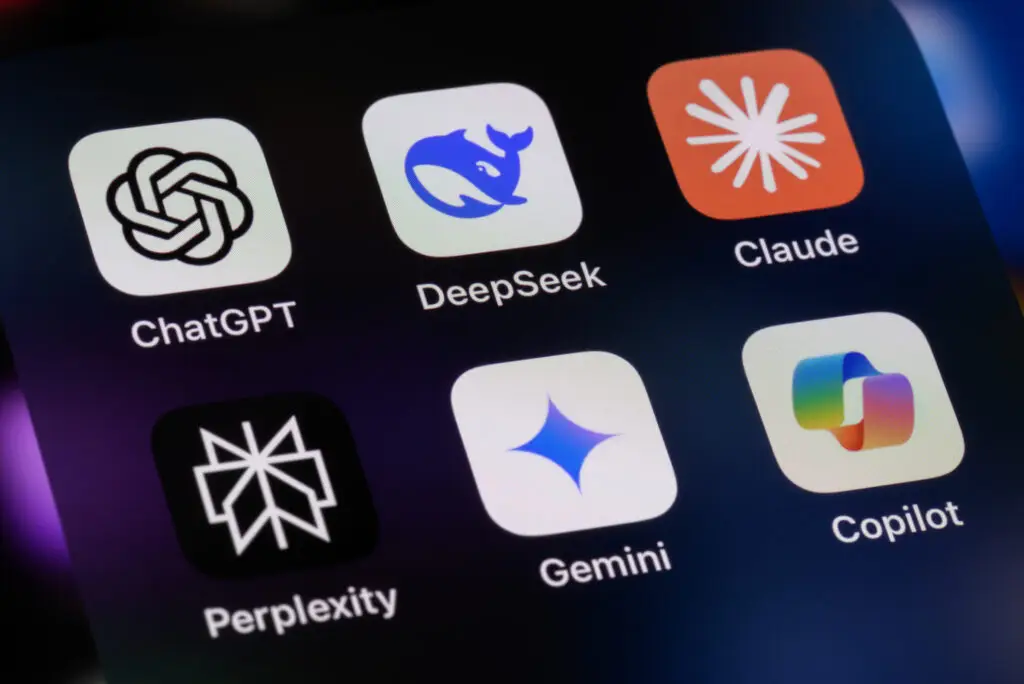
For many self-employed coaches, instructors and trainers, the rise of AI and digital tech brings a quiet unease. ChatGPT and other open-access AI can generate training plans in an instant. Wearables track participant activity and performance in real time. Chatbots can answer questions, analyse data and even “coach” through their interfaces. All of this makes it easy to wonder “where does that leave me?”.
The short answer is that although technology is changing the role of instructors and coaches, it certainly isn’t replacing them. In fact, for professionals who adapt their skills and practice thoughtfully, it can strengthen your value as a professional rather than eroding it.
This article is about what’s changing and how to use tech in ways that support both your clients and your business.
What’s actually changing (and what isn’t)
Let’s start with what technology does well. AI and digital tools are brilliant at tasks that involve:
- processing large amounts of data quickly
- spotting patterns (for example in sleep, load, consistency or trends)
- automating admin and repetition
- providing instant feedback and reminders.
These tools are increasingly accessible and it’s likely that your clients are already using them, whether you recommend them or not.
However, there’s a lot that tech can’t replace. What technology still cannot do well (and likely won’t for a long time) are things like:
- building trusting and psychological safety
- understanding context, emotion and motivation deeply
- adapting in the moment to fear, confidence or pain
- holding someone accountable in a human way
- supporting identity change, behaviour change and belief.
In other words, tech handles information; coaches and instructors handle transformation. This means that your role isn’t shrinking, it’s actually shifting.
Your role is moving upstream
Traditionally, many self-employed professionals have focused on attracting clients, writing programmes, delivering sessions and monitoring performance.
Technology is now doing parts of this faster and at lower cost than a human ever could.
This presents an opportunity for professionals to move upstream into higher-value work focused on interpretation instead of information, decision-making instead of data and support instead of supervision.
It’s important to recognise that often clients don’t need more data. They’ve likely got a smartwatch or other wearable, health apps and other devices that are already giving them insight into more datapoints than they could ever deal with. What they are craving is help understanding what the data means for them.
Practical ways you can use AI and tech without feeling overwhelmed
You don’t need to “become a tech expert” to benefit from getting AI to do some heavy lifting for you. It’s important to start small and build from there.
Tip 1 – Use AI to save time, not replace judgement
Stay responsible for quality, safety and relevance but at the same time save hours. Use AI tools for:
- drafting session plans that you then adapt
- creating client-friendly explanations of complex ideas
- writing first drafts of emails, policies or content.
As a rule of thumb, if a task drains energy and doesn’t require empathy, AI can probably help with at least some of it.
Tip 2 – Let wearables start better conversations
Instead of seeing tech as competition, use it as a prompt:
- “Your sleep’s been low – how are you feeling, really?”
- “Your load’s high – what else is stressful right now?”
Data becomes a doorway to human insight via conversation and stops being a cut-and-dry verdict on performance or effort put in.
Tip 3 – Position yourself as an interpreter, not a tracker
Many of your clients are probably overwhelmed by apps telling them they’re under-recovered, behind target or failing at consistency.
Your value is in helping them to ask better questions of the data that they are seeing, like:
- Which data actually matters right now?
- What should we ignore?
- What’s realistic given your life?
This is professional judgement, knowing the client and understanding their circumstances, and it’s irreplaceable.
Know your value
As tech use in our sector increases, clients will increasingly value your:
- clarity, cutting through noise, claims and contradictions
- confidence, reassuring them that they’re doing the right thing
- consistency as someone who keeps them showing up and gaining benefit
- care through being seen as a person, not a data point.
Ironically, this means that the more digital the world becomes, the more human your role needs to be.
One risk is using tech to make yourself less valuable. This can manifest through actions like giving clients everything through apps with minimal contact, reducing prices because “the tech does the work” and becoming invisible behind platforms.
Remember that tools support your practice and they don’t define your professionalism. it’s our experience, ethics, boundaries and standards that matter.
You don’t need to learn coding, but there are human skills that, when strengthened, will give you a huge advantage while technology takes on more data-focused tasks:
- Communication and explanation
- Behaviour change and motivation
- Reflective practice
- Decision-making under uncertainty
- Professional identity and confidence
Developing and refining these skills helps you to future-proof your business. They will be in demand regardless of what comes next in tech.
It’s time to reframe the question
With technology developing so quickly and the speed at which AI has move from a ‘techy’ niche into the mainstream, being a little fearful over what comes next is completely valid. However, instead of asking “Will AI replace coaches and instructors?”, a better question is “What kind of coach/instructor do I want to be in a tech-enabled world?”.
The professionals who flourish going forward won’t be the loudest adopters of tech or the most resistant to the changes it brings – they’ll be the ones that are most intentional about how they work with the technology to benefit clients.
One thing is for certain, technology will keep evolving – that’s inevitable. But regardless of how advanced it becomes, people will always need guidance, support, trust and human connection.
If you focus on being excellent at the things only humans can do, tech becomes an ally rather than a threat, and that’s a future worth stepping into with confidence.