



Physical activity planning for NHS staff
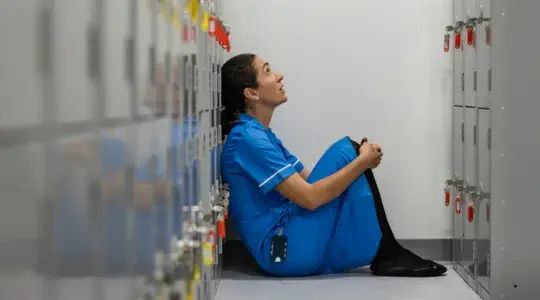
How the sport and physical activity sector can support workforce wellbeing, reduce sickness absence and strengthen the NHS from within
The National Health Service is operating under sustained pressure. Rising demand, constrained budgets and persistent staff shortages have created an environment in which workforce wellbeing is no longer a peripheral issue, but central to the system’s ability to function. For many NHS staff, that pressure is not seasonal or occasional. It is a constant part of working life, shaping both health outcomes and the quality of care the service can provide.
The scale of the challenge is reflected in the data. Statistics published by the Department of Health and Social Care show that around one in five adults in England are affected by a common mental health condition. Among NHS staff, the picture is more severe. A 2024 survey of more than 1,000 staff found that over three in four had experienced a mental health condition in the previous year. As sickness absence rises, so does pressure on the colleagues left behind. The cycle is self-reinforcing, and breaking it requires more than short-term relief.
That is where the sport and physical activity sector has a clear opportunity to contribute. In conversation with James Buckley, Head of Wellbeing and Workforce Health Services at University Hospitals of Derby and Burton, CIMSPA explored how physical activity, behaviour change and local partnership can help support staff wellbeing, reduce sickness absence and strengthen the NHS from within.
“Staff working within the NHS typically have worse health outcomes than the average UK working population, and that gap would appear to be widening.”
“It’s perhaps more volatile than I’ve ever known it in terms of the changing status of healthcare. From a workforce wellbeing perspective however, we know that our colleagues that are engaged in our supportive and preventative wellbeing activities, subsequently have better health outcomes.”
The scale of the workforce wellbeing challenge
The challenge facing the NHS workforce is shaped by widening health inequalities across a staff base that reflects the diversity of the communities it serves. These pressures are compounded by chronic workforce shortages, which intensify barriers to progression, wellbeing and resilience. Statistics from the British Medical Association show that years of inadequate workforce planning, accountability and investment have left the UK with a deficit of 40,000 doctors before the OECD EU average per capita is reached.
These gaps create a strategic challenge for staff retention and resilience. They affect the system’s ability to retain knowledge, sustain morale, protect specialist capacity, support managers and maintain delivery during structural change.
One of the clearest ways to respond is to place greater focus on staff health and wellbeing. Anxiety, stress, depression and other psychiatric illnesses accounted for 28.5% of all sickness absence in February 2026, with direct implications for patient care. As absence rises, remaining teams are stretched further, reinforcing a damaging cycle of pressure and burnout.
A major opportunity for the sector
Because the NHS workforce reflects many of the same health challenges seen across the wider population, the sport and physical activity sector is well placed to help. Its relevance goes beyond leisure or recreation. It can support workforce availability, wellbeing and resilience at a time when all three are under strain.
Buckley explains: “There’s a massive opportunity in terms of how the sport and physical activity sector can support workforce availability and keep NHS staff healthy, safe and well.
“There are so many quick wins – it’s an opportunity to support the wider community agenda and national commitment to shift from treatment to prevention, to focus on workforce wellbeing and agency.”
Sport and physical activity’s role in the health and wellbeing of the nation has received new governmental recognition following recent parliamentary developments. Functioning as a primary tool for mental wellbeing and disease prevention, the sector is on hand to form part of a national-scale campaign to tackle the current health crisis, with the reduction in cost and strain on the NHS a warmly welcomed by-product.
The shift to prevention and community care
Prevention is now central to the NHS policy direction, with care increasingly expected to move beyond acute settings and into communities. That shift creates a natural point of connection with the sport and physical activity sector, the everyday work of which already centres on accessible, community-based support.
The capability to support this shift already exists. Facilities, services and skilled professionals are in place. What is still needed is stronger connection between healthcare and the sport and physical activity sector so that this expertise can be used more deliberately. That work is beginning to gather momentum, including through CIMSPA’s focus on how to connect the two systems more effectively, which makes up an integral part of the ‘Connecting the Dots’ theme of the annual conference.

But implementation cannot rely on a single national template. Every system has its own pressures, partnerships and patterns of provision, so understanding the local landscape is critical. For practitioners, that means working with local providers and building on what already exists, rather than relying solely on national direction. CIMSPA’s work with stakeholders on developing local skills plans helps do just that.
Place-based solutions are often where the strongest, most sustainable partnerships begin. Bringing together employers, education providers and employability-focused organisations, CIMSPA helps to effectively and efficiently match supply and demand in the sports and physical activity sector through local skills action plans.
Utilising the strengths of the sector
One of the sector’s clearest strengths is its understanding of behaviour change. As Buckley puts it, “the thing the sport and physical activity sector does really, really well is that behaviour change piece and by listening to colleagues and acting on feedback, we can create workplaces where people feel supported, valued, and able to thrive.”
“That skill set is often missing within the professional sphere of health.”
“We tend to take a more medicalised approach as opposed to understanding motivations and building capability in people – empowering colleagues to prioritise their health and wellbeing is vital to sustaining it. They know themselves better than anyone.”
“This expertise matters because it speaks directly to some of the main drivers of sickness absence, including stress, anxiety, depression and musculoskeletal conditions.” As Buckley notes, “it’s almost a cornerstone of what the sector does – supporting physical health and social connection. Prevention and early intervention are key to tackling rising chronic illness before escalation.”
Importantly, this is not a theoretical case. Buckley points to interventions that have delivered lasting results, with staff still well, still in work and significantly more active 12 months later. Mental health outcomes have also remained strongly positive. For employers under pressure, that kind of evidence matters because it shows that well-designed physical activity and behaviour change support can contribute not only to individual wellbeing, but to longer-term workforce stability too.
Rethinking the system – removing the barriers
Too often, support systems respond only once someone has already become unwell. The same pattern can be seen in occupational health. A more effective approach would intervene earlier, helping people build capability and resilience before pressure turns into decline.
Rather than waiting until a member of staff becomes unwell, the greater opportunity lies in designing systems that support people earlier, before pressure turns into absence, burnout or long-term ill health. Buckley suggests that this requires a fundamental rethink of how support is structured, moving away from a purely reactive model and towards one that better understands the conditions that shape workforce wellbeing day to day.
“Healthcare sector support typically provides lots of opportunities for staff, such as counselling services or physiotherapy, but it’s all geared up to fish people out of a river. We need to look upstream at why people are getting unwell in the first place and take action. This can be small actions every day — taking breaks, conversations, peer support, and following up to help create healthier teams that can subsequently provide better patient care”.
That means recognising the very real barriers many NHS staff face in everyday working life. Long and unsociable shift patterns, physical fatigue and limited time between demands all affect whether healthy behaviours feel possible at all. As Buckley points out, some of the challenges are strikingly basic: “Staff might work long shift patterns or at community sites, not having equitable access to hot food or rest spaces. There are some really basic challenges.”
If prevention is to be meaningful, it must be built around these realities. For the sport and physical activity sector, that means creating flexible, accessible and equitable offers that reflect how NHS staff actually live and work, rather than expecting them to fit around systems that were never designed with their needs in mind.
Beyond facilities – building capability
For Buckley, the answer is not simply to increase provision. Facilities and services matter, but they do not by themselves create lasting behaviour change. What matters just as much is whether people feel motivated, confident and capable of taking part in the first place. As he puts it, “it’s not just about having a gym or a service – it’s that motivation and capability. It’s building that in people”. The sector’s strength lies not only in creating opportunities, but in helping people engage with them and turning participation into something sustainable: “giving colleagues the skills to support themselves – expanding and upskilling colleagues can alleviate system strain”.
There remains, however, what Buckley describes as “a bit of a gap in understanding and knowledge across most organisations when it comes to those fundamentals”. Bridging that gap will be essential if offers are to move beyond availability and begin influencing behaviour in a meaningful way. It also requires patience. Where quick results are prioritised, medical solutions can seem more appealing than lifestyle change, even though long-term progress depends on sustained support.
The role of social connection
Alongside physical health, social connection can be one of the most powerful and accessible tools for supporting staff wellbeing. Opportunities to spend time with peers through communal settings can strengthen belonging, improve morale and offer a vital outlet away from workplace pressure. As Buckley notes, “opportunities to connect with peers through walking groups, gyms or sports clubs can be a really powerful tool in keeping people well”.
These kinds of interventions are often low-cost, but their impact can be significant, particularly when it comes to retention and resilience. In a workforce under sustained strain, “doing things that make people happy and connected is incredibly important”. For the sport and physical activity sector, this is a reminder that creating healthier workplaces is not only about exercise provision, but also about helping staff feel part of something supportive, social and sustainable: “Offering tailored, accessible support to underserved populations – our people are also our communities.”
Matching need with capability
The pressures facing the NHS workforce are unlikely to ease without a stronger focus on prevention, wellbeing and partnership. That is why the role of the sport and physical activity sector matters. It offers practical expertise in behaviour change, social connection and community-based support, all of which can help staff stay well and remain in work.
The challenge now is to match that capability to need through workforce planning, local relationships and more deliberate collaboration. As Buckley puts it, “there’s absolutely a need for it. There’s a skill set for it. It’s just about matching that up – working with the right organisations and speaking to the right people”.