



Progress for Peterborough’s active wellbeing
After the government’s Autumn Budget designated much-needed funding to the project, the city’s plans for a new leisure facility are picking up pace
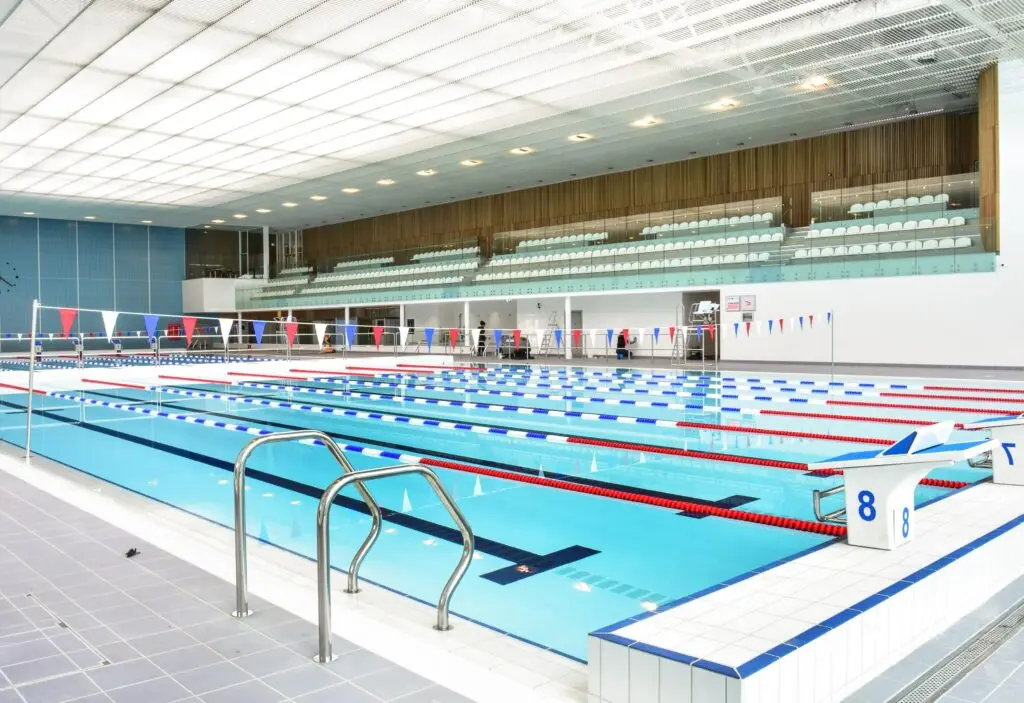
Leisure facilities across the UK are old. Many are tired, even more are crumbling and a lot simply don’t exist anymore. Since a boom of construction that started in the 1960s and continued throughout the 70s and 80s, those original leisure centres have been quietly ageing. Now, they are coming to the end of their natural life. Due to their complex structure and heavy usage, the heating and chemical systems required to power our public pools deteriorate significantly faster than your average building. Many are also plagued by the common issue of building materials now deemed unsafe, such as asbestos.
However, while this fate was predictable and public outcry at the loss of these community mainstays is loud, it’s been difficult to fund refurbishments and replacements. Energy bills have soared in recent years, and closures during the pandemic did nothing to help make up these costs. Fortunately, though, the government is starting to sit up and take notice of the fact that investing in physical activity and its facilities actually steadies the stream of cash currently urgently needed by the NHS.
In the Autumn Budget of October 2025, Chancellor of the Exchequer Rachel Reeves made a point of highlighting a healthy £20 million fund allotted to construct a “sports quarter” in Peterborough. This was timely news for the Cambridgeshire city, as in September 2023 its Regional Pool closed and has since been demolished entirely. Containing outdated mechanisms and dangerous building materials, repair costs were deemed unmanageable.
Since then, the only swimming pools in the centre of Peterborough have been at the city’s Lido. With this only open seasonally, the indoor facilities’ closure has created a black hole in the city’s active wellbeing provision for residents.
While plans were already underway for a replacement facility, the cost has been a major hurdle from the start. With the planned £38 million centre now halfway funded, the focus can remain on the exciting new design while the remaining budget is secured.
Plans in place
The proposals for the new facility have been an extremely collaborative effort. A consortium including representatives from the Cambridgeshire and Peterborough Combined Authority (CPCA), Peterborough City Council, ARU Peterborough, City of Peterborough Swimming Club, Friends of the Lido and Living Sport as well as both Peterborough and Cambridgeshire’s MPs has worked together to produce the designs and consider the most advantageous location.
A series of social media polls were also run to gauge public opinion on what should be included and how local residents would like to use a new leisure centre. Formal public consultation on the detailed designs will form part of the process in the summer prior to submission of the planning application, topping off the range of measures taken to ensure that the investment is used wisely.
So far, the facility is shaping up to have a wide range of features to meet the needs of Peterborough locals. Plans include:
- an eight-lane, 25-metre swimming pool
- a teaching pool with a moveable floor
- a café
- interactive adventure play, including baby, toddler and sensory spaces
- consultation rooms
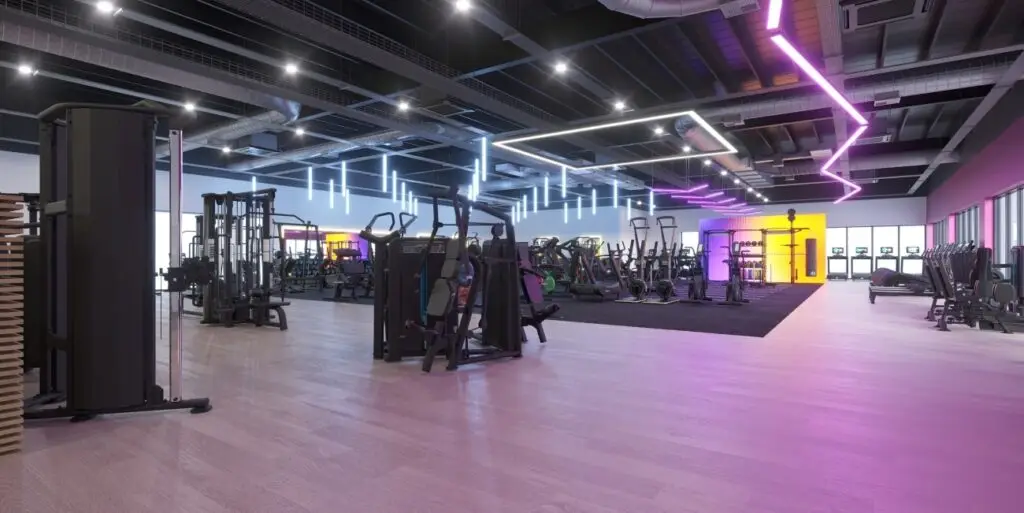
- a 150-station gym
- three group exercise studios, including a spin studio
- an assisted exercise studio
- a meeting room.
As of late January 2026, the technical designs have been recommended for approval with the process now moving to the next stages. Alliance Leisure, a national leisure development provider, has been awarded the contract for the work. The business is keen work with the local council on the rapidly progressing site plans:
“We are delighted to be supporting Peterborough City Council with the development of their new swimming facility. Peterborough has had a significant deficit in community, training and competition facilities since the closure, and subsequent demolition, of the Regional Pool due to the use of reinforced autoclaved aerated concrete throughout the building in its original construction.
“The new facilities will be accessible to the whole community and will be constructed in such a way as to minimise carbon emissions and other greenhouse gases,” said Sean Nolan, Regional Director of Alliance Leisure.
The successful opening of Peterborough’s new leisure facility – currently carded for 2028 – will make a statement about the direction of healthcare funding. The NHS undoubtedly deserves investment. However, it’s important that the government are now investing in facilities in which people get active and reduce their risk of requiring NHS care for conditions caused by sedentary lifestyles. This not only reduces the strain on treatment services but recognises that fitness facilities and professionals play an essential role in preventative care and rehabilitation.
By targeting publicly available services to groups with specific needs, leisure centres are broadening their client bases from fitness fanatics and families to the entire community. As these changes open up new opportunities, they are evolving from hobbyist venues to community healthcare hubs that take strain from medical services. With such an enormous investment in the Peterborough site, the government will be counting on it being an asset to as many local residents as possible and making a dent in targeted healthcare savings.
Preparing for opening
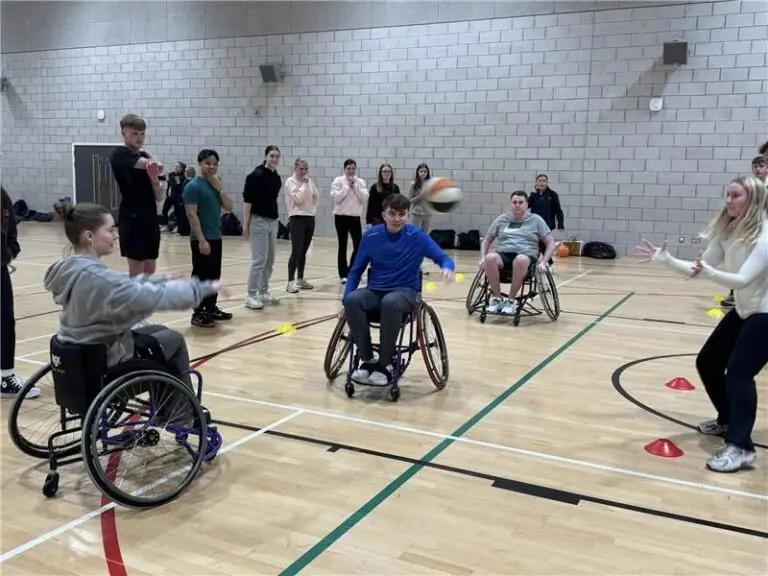
As such, the new Peterborough facility will need to be equipped with suitably trained practitioners and managers. A strong understanding of how active wellbeing services connect with GP practices and hospital outpatient care will be essential for managers responsible for designing programmes. Many facilities across the UK already offer a range of sessions aimed at participants with healthcare needs. These range from traditional pre- and post-natal classes to more modern cardiac rehab workouts and diverse sessions of chair-based exercise for individuals with limited mobility.
As well as providing the classes, both these and individual training sessions will require expert practitioners to deliver them. This will be no mean feat, as sector employers across the UK report continuous recruitment challenges for in-demand roles due to skills gaps. As the focus of leisure services shifts to centre on active wellbeing for a wider range of participants, it is becoming more and more important for practitioners to have training and qualifications in working with specific populations. Accompanying the demand for specialist skills is a low retention rate for essential roles such as lifeguards. Often held by young people looking for part-time work around studies, many employers find it difficult to permanently fill these positions.
The county’s sport and physical activity sector local skills accountability board aims to tackle these problems in good time for the new facility’s opening. Bringing together employers with education providers, healthcare representatives and stakeholders from other bodies such as the local councils, the board connects the crucial elements for a resilient workforce pipeline. With the board’s soon-to-be launched local skills plan, the group will map out how organisations from across the sector can work together more efficiently.
The new leisure centre is creating a large recruitment opportunity, which will put the plan to the test from the start. So, it’s important that in preparation for opening, new talent is given the right opportunities and training so that there is a healthy pool of applicants for the facility’s vacancies.
Ryan Kirby, CIMSPA’s workforce development manager for the region who brought together the local board, is confident that the plan will provide a foundation for success:
“We are looking forward to launching the local skills plan for Cambridgeshire and Peterborough. The local skills accountability board have worked hard to ensure that its recommendations and actions are clear, achievable and focused on the area’s sport and physical activity sector needs.
By working together, all of the local stakeholders involved will be supporting residents into training and careers in the sector, which in turn boosts the physical, mental and economic health of the region.”
The skills plan will set out recommendations and actions that are tailored to Peterborough’s specific situation and provision gaps, creating a clear mission for those involved. While the plan will continue to run until 2029, its initial phases should support the successful launch of the new site.
Once the remainder of the funding has been secured, this new leisure centre will be a huge boost for Peterborough across the board. Offering facilities for active wellbeing that reduce strain on healthcare services, being a social hub and creating new job opportunities in the area, leisure centres such as this are fundamental to the UK’s communities. Hopefully, future government budgets will fund the redevelopment and renewal of many more tired sites across the nation.